

Every morning in America, millions of people wake up already in debt. Before their eyes even open, the bills begin to count against them—rent, utilities, insurance, groceries, childcare, student loans. Their time isn’t theirs; it belongs to an employer, a bank, a landlord, or a system that extracts more than it gives.
The American Dream tells us that hard work leads to freedom. But in truth, most Americans—especially Black Americans—are trapped in a system where wages are stagnant, costs are rising, and debt is the default. We’re taught to sell our time—our very lives—for scraps, while billionaires measure profits by the second.
Let’s break the illusion.
Your Time Is Your Life
Your presence in this world is made up of time. When you sell your labor, you are literally trading moments of your existence. But under capitalism, you don’t even get to set the value. Your employer does.
“I’ll give you $8.00 for one hour of your life.”
That’s not an offer—it’s a command. Because refusing to sell your time means no food, no home, no medical care. It means poverty. It means punishment.
This is not freedom. This is modern debt slavery.
The Numbers Don’t Lie
Federal minimum wage: $7.25/hour
Full-time hours per month: ~160
Monthly income (before taxes): $1,160
Average rent for a 1-bedroom in the U.S.: $1,637/month
A full-time minimum wage worker is $477 short of affording rent alone—before buying food, paying for transportation, or covering healthcare. Rent alone consumes 141% of their income. The old rule says housing should cost no more than 30% of income, but for most working-class people, it’s closer to 50-60%, or even higher.
Meanwhile:
63% of Americans live paycheck to paycheck.
The average Black family holds just 10% of the wealth of the average white family.
57% of renters report spending over half of their income on housing.
So we must ask: Should all workers be paid a wage that covers the basic cost of life? Or should we build a new system where life is affordable by design?
The BIT Solution: Housing, Dignity, and Ownership
The Black Infrastructure Trust (BIT) was created to answer that question—not just with critique, but with construction. We’re building the foundation for a world where labor is valued, housing is guaranteed, and time is honored.
Here’s how:
1. Rent Control for Non-Members
Non-member residents of BIT housing pay rent capped at 25% of their monthly income. If you make $2,000/month, your rent is never more than $500. This ensures stability, affordability, and a clear path to financial freedom.
Non-member housing is also a key part of the BIT strategy: it allows us to scale infrastructure while expanding membership. Pricing is structured to reflect our values of repair and equity:
Non-Member Subscription Tiers
Black American Descendants of Slavery (ADOS): base rate, lowest subscription level
Africans Not American (foreign-born Black): modestly higher subscription
People of Color (Brown, Red, Yellow): intermediate rate
Whites: highest subscription tier
This subscription model ensures that those most harmed by the legacy of capitalism and white supremacy gain the most immediate access to relief, ownership, and leadership.
2. Housing Included for Members
BIT members receive housing as part of their total compensation package. That means no rent at all—because your labor builds the infrastructure that sustains us all.
Housing types and ownership timelines:
Apartments: After 5 years of consistent, quality service to the community, members earn ownership equity in their apartment unit.
Single-Family Homes: After 10 years, members are eligible for full equity ownership of their home, with each year of service increasing their stake.
3. Equity Grows With Time
For every year of service, members accrue ownership credits that reflect their contribution to the Trust. This builds real wealth—not just for individuals, but for families and generations to come.
4. TimeBanking & Mutual Aid Credits
Community service outside your formal job—childcare, cooking, elder support, repairs—can be logged through the BIT TimeBank. These hours translate into:
Additional housing credits
Lower utility costs
Food and resource access
Community voting power
5. Sample BIT Budget (Monthly, for a Non-Member)
| Expense | Cost |
|---|---|
| Housing (capped at 25% income) | $500 |
| Utilities | $75 |
| Food (cooperative kitchen) | $125 |
| Transportation (community shuttle) | $40 |
| Healthcare (community coverage) | $75 |
| Childcare (on-site) | $75 |
| Total Monthly Costs | $890 |
Compare that to $2,500+ in the market economy—and the difference is not just economic. It’s freedom regained.
From Surviving to Thriving
Capitalism treats your time as a commodity. BIT treats it as a contribution. Under BIT, you don’t have to hustle just to stay afloat. You live in a community where your presence is valued, where your labor builds collective wealth, and where your housing is not a profit center for someone else—but a reward for your care and commitment.
We’re not asking for the system to give us more crumbs. We’re building a new table.
This is what freedom looks like.
This is what BIT is for.
Enter the BIT Model
The capitalist system has made survival a luxury, and dignity a subscription service.
But BIT—The Black Infrastructure Trust—flips the script.
We believe:
Your time is sacred.
Your labor should not be exploited—it should build community.
Housing, food, education, child care, and health care are not luxuries. They’re basic human rights.
BIT Makes Life Affordable by Design
1. Rent Controlled by the Community
BIT-owned housing is not priced by the market.
Rent is set as no more than 25% of income, and profits are recycled into maintenance, development, and community equity.
2. Living Wages as a Guarantee
All work done under BIT (gardening, elder care, tutoring, maintenance, kitchen work) is compensated at a community-determined living wage.
TimeBanking and Mutual Aid hours also count toward rent or service credits.
3. Debt-Free Childcare & Education
Families are not punished for having children.
On-site childcare centers, communal kitchens, and community schooling drastically reduce costs.
4. Healthcare & Healing Collectives
Member cooperatives cover basic care through local clinicians, herbalists, and therapists.
Preventative care is emphasized. Emergency care is crowdfunded communally.
5. Ownership is Shared
You’re not just a tenant—you’re a stakeholder.
Every dollar you put in builds shared wealth, not landlord profit.
What I’m here to do is connect with the ones ready to move—ready to think differently, build differently, and live free on our own terms. This is about one thing:
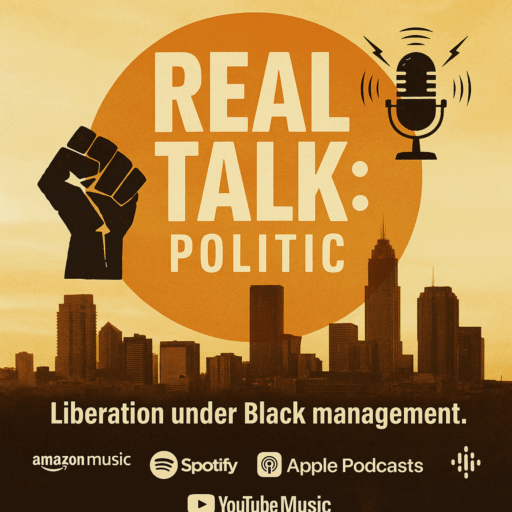
Liberation under Black management.
Until the next episode:
Stay sharp. Stay Building. And stay Black on Purpose.


You must be logged in to post a comment.